
Creating a Website for Startups Made Easy: Startup Website Design Strategies

Updated: Jan 28
Starting a new business is exciting, but building a website can feel overwhelming. I want to make this process simple and clear. A website is your online storefront. It needs to look professional, work well, and attract visitors. I will share practical steps and tips to help you create a website that fits your startup’s needs without stress.
Understanding Startup Website Design Strategies
When you build a website for your startup, you want it to do more than just exist. It should help you grow your business. That means focusing on design strategies that work for small businesses, freelancers, and creative professionals. Here are some key points to keep in mind:
Keep it simple: A clean, easy-to-navigate site helps visitors find what they need quickly.
Mobile-friendly design: Many users browse on phones or tablets. Your site must look good and work well on all devices.
Fast loading times: Slow websites lose visitors. Optimize images and code to keep your site speedy.
Clear calls to action: Tell visitors what you want them to do next, like contact you or buy a product.
Consistent branding: Use your logo, colors, and fonts to create a professional look.
These strategies help you build trust and make a strong first impression. They also improve your chances of ranking well on search engines.

Choosing the Right Tools and Platform
You don’t need to be a tech expert to create a website. Many platforms make it easy to build and manage your site. Here are some popular options:
Website builders: Tools like Wix, Squarespace, and Weebly offer drag-and-drop interfaces. They are user-friendly and include templates designed for startups.
Content Management Systems (CMS): WordPress is a flexible option if you want more control. It requires some learning but offers many plugins and themes.
E-commerce platforms: If you plan to sell products online, Shopify or BigCommerce are great choices.
When selecting a platform, consider your budget, technical skills, and future needs. Many platforms offer free trials, so test a few before deciding.
Designing Your Website Content and Layout
Your website’s content and layout are crucial. They guide visitors and communicate your message clearly. Here’s how to approach this:
Homepage: This is the first page visitors see. Make it welcoming and informative. Include your value proposition and a clear call to action.
About page: Share your story and mission. People like to connect with real businesses.
Services or products page: Detail what you offer with clear descriptions and images.
Contact page: Make it easy for visitors to reach you. Include a form, phone number, and address if applicable.
Blog or resources: Adding helpful content can attract visitors and improve SEO.
Use headings, bullet points, and short paragraphs to make your content easy to scan. Avoid jargon and keep your language straightforward.

Optimizing for Search Engines and User Experience
A beautiful website is not enough if no one finds it. Search engine optimization (SEO) helps your site appear in search results. Here are some simple SEO tips:
Use relevant keywords naturally in your text.
Write descriptive page titles and meta descriptions.
Optimize images with alt text and smaller file sizes.
Create internal links between pages.
Ensure your site loads quickly and is mobile-friendly.
Besides SEO, focus on user experience. Test your site on different devices and browsers. Ask friends or colleagues to navigate it and give feedback. Fix any confusing parts or broken links.
For startups, investing in website design for startups that balances SEO and usability is key to attracting and keeping visitors.
Maintaining and Growing Your Website
Launching your website is just the start. You need to keep it updated and relevant. Here are some tips for ongoing maintenance:
Regularly update your content to reflect new products, services, or news.
Backup your site to avoid data loss.
Monitor website analytics to understand visitor behavior.
Improve your site based on feedback and data.
Promote your website through social media, email marketing, and local directories.
A well-maintained website builds credibility and supports your business growth over time.
Taking the Next Step with Your Website
Creating a website for your startup does not have to be complicated. By following these startup website design strategies, you can build a site that looks professional, works well, and helps your business grow. Remember to keep things simple, choose the right tools, focus on clear content, optimize for search engines, and maintain your site regularly.
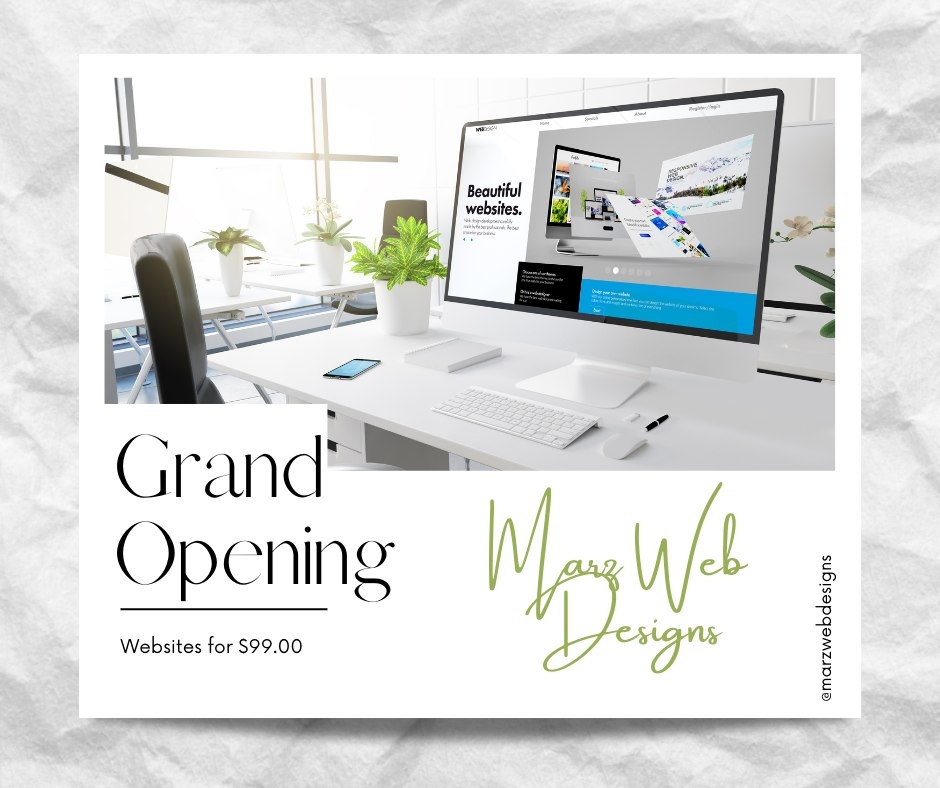
If you want to save time and get expert help, consider working with a local web design agency. They can create a custom website tailored to your needs and budget. For small businesses, freelancers, and creatives in Connecticut and beyond, Marz Web Designs offers affordable, efficient solutions to get your online presence up and running quickly.
Start building your website today and watch your startup grow online.


Comments